
What to Look For When Buying Your First Sailing Yacht
- Jul 11, 2025
- 4 min read
Buying your first sailing yacht can be an exhilarating yet daunting experience. It's not just about the thrill of being on water; it involves making a significant financial investment. Knowing what to look for in a sailing yacht can help you make a wise decision. This blog will guide you through essential factors to consider, ensuring your yacht buying experience is smooth and enjoyable.
Understanding Your Needs: The First Step in Your Yacht Listing Journey
Before diving into the yacht listings, it's crucial to understand your needs. Are you planning to sail leisurely with family or friends? Do you have aspirations to race? Identifying your primary purpose for owning a yacht can help narrow your options. Consider the following questions:
What type of sailing will you do? This could vary from day sailing, weekend cruising, or longer voyages. Each type has different requirements in terms of size and functionality.
How many people will typically be on board? A yacht that accommodates enough crew and guests comfortably is essential for an enjoyable sailing experience.
What is your budget? Establishing a budget upfront allows you to focus on yachts within your price range, helping streamline your search.
Imagine finding the perfect yacht tailored to your needs, whether it’s a cozy boat for two or a spacious vessel for your entire crew.

Key Features to Consider: An In-Depth Look at Yacht Listing Essentials
Once you have established your desired yacht characteristics, it's time to explore the key features that can make or break your sailing experience. Pay attention to these critical factors when browsing yacht listings.
Size and Stability
The yacht size is paramount. A larger yacht can accommodate more people but may also be harder to manage. Smaller yachts are more agile and easier for beginners but might lack space and comfort. In terms of stability, a wider beam will improve stability, particularly in rough waters.
Hull Design
The hull design influences speed, stability, and performance. Common designs include:
Monohull: Traditional and more common; offers good performance and stability.
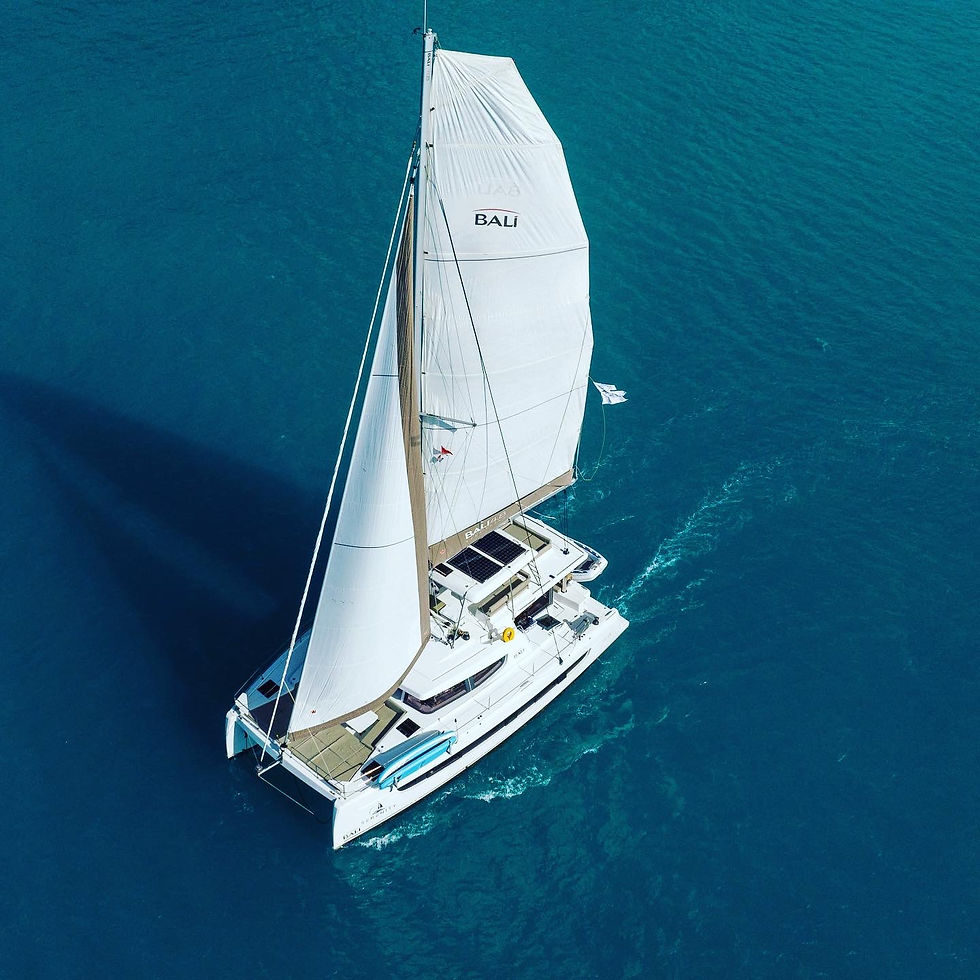
Catamaran: Offers greater living space and stability; generally the preferred choice for comfort, especially during long voyages.
Knowing how the hull will perform in various conditions is essential. Research and, if possible, test sail different designs to see what suits you best.
Build Quality and Materials
Inspect the build quality and materials used in the yacht's construction. Fiberglass, aluminum, and wood have varying characteristics in terms of weight, durability, and maintenance. For example:
Fiberglass: Lightweight and requires less maintenance.
Aluminum: Strong and durable but can be heavier and more expensive.
Wood: Aesthetically pleasing but often needs more upkeep.
Always check for signs of wear and tear during your inspections. A well-maintained yacht may serve you well for many years.
Engine and Performance
Understanding the engine type (inboard or outboard) and its performance capabilities is crucial, especially for longer voyages. A reliable engine allows for hassle-free sailing and enhances safety. Additionally, evaluate the fuel efficiency as this will impact your long-term operating costs.
Comfort and Amenities
Comfort should not be overlooked, especially for recreational sailing. Look for features such as:
Cabin Layout: Ample sleeping and living spaces are essential for longer trips.
Galley: A functional kitchen can greatly enhance your onboard experience.
Head (Bathroom): A well-designed head can make life aboard more comfortable.
Comfort breeds enjoyment. Make sure to inspect space utilization during your yacht tour; smart design can significantly improve your experience.
Sailing Equipment and Technology: Essential Additions for Your Yacht Listing
Equipping your yacht with the right sailing technology can drastically enhance your experience. Here are some essentials to consider:
Navigation Systems
Modern navigation systems are pivotal for safe sailing. GPS and chartplotters are among the essential equipment that can simplify this task. Investing in updated technology ensures better mariner safety and accuracy, especially for long-distance sailing.
Safety Features
Safety must always be a priority. Look for yachts that come with modern safety equipment such as:
Liferafts: Essential for safety during emergencies.
Fire Extinguishers: Required for onboard safety.
Flares and Life Jackets: Ensure these items are on board and in good condition.
Communication Devices
Having an effective communication system can be a lifesaver. Consider VHF radios and satellite phones for long voyages.
By investing in the right equipment, you can elevate your sailing experience and ensure you're well-prepared for any situation.
Test Sails: The Crucial Step Before Making a Purchase
Before committing to your purchase, never skip the test sail. This opportunity allows you to experience the yacht's performance, handling, and comfort level firsthand. Here’s what you should focus on during the test sail:
Performance
Evaluate how the yacht sails. How does it respond to the wind? Is it easy to maneuver?
Comfort
Pay attention to how comfortable the space is, both at sea and docked. Is there enough headroom? Are the seating arrangements practical?
Overall Condition
Inspect every aspect of the yacht carefully. Check the equipment, sails, and interior. Look for any signs of potential issues or repairs needed.
By conducting a proper test sail, you can make a more informed purchase decision.

Making Your Purchase: Navigating the Final Steps
After considering all aspects and making a decision, it's time to navigate the final steps in your yacht purchasing journey. Here are essential tips for this phase:
Documentation and Inspection
Ensure all documentation is in order. This includes registration, maintenance records, and survey reports. You may want to hire a marine surveyor to inspect the yacht thoroughly.
Negotiations
Don't hesitate to negotiate the price. Depending on condition and market dynamics, you may find room for price adjustments. Having a budget defined will also help in this process.
Insurance and Financing
Lastly, arrange for insurance and financing. Speak with a marine insurance broker who understands the nuances of yacht coverage. If you're financing your purchase, research the best rates and terms that suit your financial situation.
Purchasing your first sailing yacht can be an adventure filled with excitement. By diligently inspecting and educating yourself on potential boats, you can make sure your investment aligns with your dreams. Stay focused, follow the steps outlined, and soon you will find yourself sailing smoothly on your very own yacht.
When you are ready to explore the market, check out the various options available, including sailing yachts for sale. Happy sailing!


Comments